What yacht crew are telling us: Insights from YachtCrewHelp 2025
7 October 2026
3 min read
The YachtCrewHelp 2025 Annual Review brings together insights from confidential conversations with yacht crew and their families throughout 2025.

The new SeafarerHelp 2025 Annual Review offers a unique insight into the realities of life at sea through thousands of confidential helpline conversations.
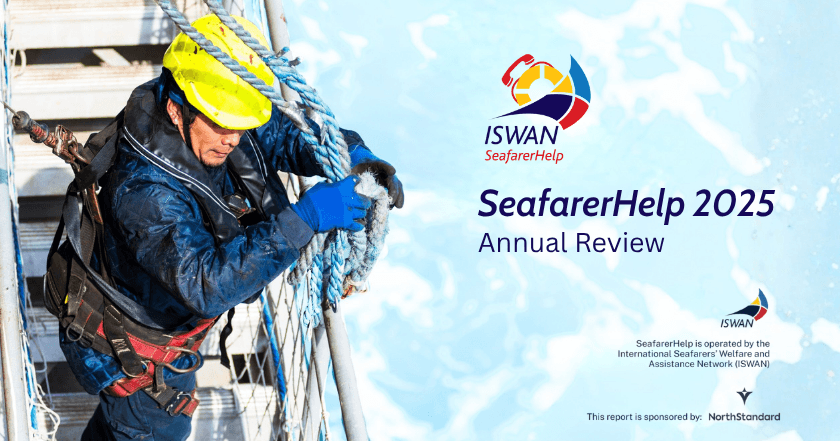
The International Seafarers’ Welfare and Assistance Network (ISWAN) has published its annual report from its 24-hour, multilingual helpline SeafarerHelp, revealing the challenges seafarers and their families are facing as life and work at sea becomes increasingly complex. Drawing on data and insights from thousands of confidential helpline conversations, the report highlights emerging welfare concerns and the action needed across the maritime sector to support seafarers’ wellbeing, safety and dignity.
Because SeafarerHelp is confidential, seafarers are able to speak openly about the challenges they face, offering a valuable insight into the realities of life at sea. The review combines quantitative data with the recurring themes and experiences described by seafarers when they reach out for support to build a clearer picture of the issues affecting the global seafaring workforce.
While these insights represent only one perspective on seafarers’ experiences, they provide an important snapshot of the challenges being shared through a trusted, independent welfare service. Shipping companies and other maritime organisations will have their own workforce intelligence, but SeafarerHelp often hears about issues that seafarers may feel unable or unwilling to raise with their employers or crewmates.
The report shows that while fewer seafarers contacted SeafarerHelp for straightforward enquiries in 2025, those who did reach out increasingly needed support with complex, interconnected challenges affecting their wellbeing, relationships, finances and safety. New contacts (i.e. calls and messages) decreased, but follow-up contacts increased as more people required ongoing support rather than a single conversation.
Although SeafarerHelp primarily hears from seafarers and family members facing difficulties rather than those having positive experiences, several themes emerged consistently across helpline interactions in 2025. Seafarers described the cumulative emotional impact of long periods away from home, demanding workloads, concerns about family life ashore and uncertainty created by wider industry and geopolitical developments. Many challenges rarely occurred in isolation – mental health concerns were often closely linked to employment issues, onboard culture, financial pressures or experiences of abuse.
The findings also suggest that improving onboard connectivity is changing why people seek help. Many seafarers now use online sources to find practical information themselves, but continue to turn to SeafarerHelp when situations require empathy, professional judgement, specialist knowledge or emotional support. Helpline officers increasingly report that callers want reassurance they are speaking to a real person who understands the realities of maritime life.
One of the clearest findings from the review is the significant rise in mental health-related cases. The number of contacts relating to mental health concerns increased by 35.9% compared with the previous year, reaching the highest level recorded by SeafarerHelp and exceeding levels seen at the height of the COVID-19 pandemic.
Helpline conversations reveal the sustained emotional toll that life at sea can have. Seafarers spoke about stress, worry, isolation and the pressure of balancing responsibilities on board with concerns about family life at home. SeafarerHelp also supported a growing number of people experiencing acute distress, including suicidal thoughts.
In response, ISWAN expanded its mental health support during 2025, including the introduction of a Specialised Support Team providing ongoing mental health support, alongside initiatives such as SEAS (Seafarers’ Education and Awareness Sessions) and the BAYANIHAN mental health initiative in the Philippines.
The report also highlights the continuing impact of abuse, bullying, harassment, discrimination and violence at sea. Women were disproportionately affected, being more than four times as likely as men to raise these concerns with SeafarerHelp.
Conversations with seafarers suggest that experiences of abuse are often compounded by wider workplace pressures, including long hours, limited rest and unsupportive onboard cultures. Many seafarers described concerns about reporting incidents and the potential consequences of speaking up.
To address these challenges, ISWAN continues to develop programmes including its Safe at sea…it takes all of us! campaign and the Social Interaction Matters Project, both designed to help create safer and more supportive working environments on board.
The review also points to increasing financial strain among seafarers and their families. Helpline users described the challenges of managing irregular income, contract gaps, debt and financial responsibilities extending beyond their immediate households. These concerns frequently affected both wellbeing and family relationships.
At the same time, SeafarerHelp supported a growing number of seafarers affected by abandonment, with abandonment-related contacts increasing by 41.2% during 2025 and rising by 158.9% since 2022. Many affected seafarers reported being left without pay, support or a clear route home.
The review demonstrates how insights from SeafarerHelp directly shape ISWAN’s work to support seafarers and their families. By identifying emerging issues, listening to lived experiences and working collaboratively with maritime stakeholders, ISWAN develops practical initiatives designed to address the challenges highlighted through helpline conversations.
As the organisation begins its work with consultative status at the International Maritime Organization (IMO) in 2026, ISWAN is committed to ensuring that the experiences shared through its helplines continue to inform discussions about the future of seafarer welfare.
Simon Grainge, Chief Executive of ISWAN, said: ‘The value of SeafarerHelp is not only in the support it provides, but in what it enables us to learn. Every day, seafarers and their families share experiences with us that offer a unique window into life at sea.
‘The themes highlighted in this review reflect the challenges that people are bringing to our helpline at a time of significant change for the maritime sector. Whether it is mental health, workplace culture, financial pressures or abandonment, these issues can have profound consequences for seafarers’ wellbeing and for their families.
‘Our responsibility is to listen, identify emerging themes and work with maritime stakeholders to turn those insights into practical action that improves the lives of seafarers and their families.’
The SeafarerHelp 2025 Annual Review is sponsored by NorthStandard.
Download SeafarerHelp 2025 Annual Review
Find out more
7 October 2026
3 min read
The YachtCrewHelp 2025 Annual Review brings together insights from confidential conversations with yacht crew and their families throughout 2025.
22 July 2026
6 min read
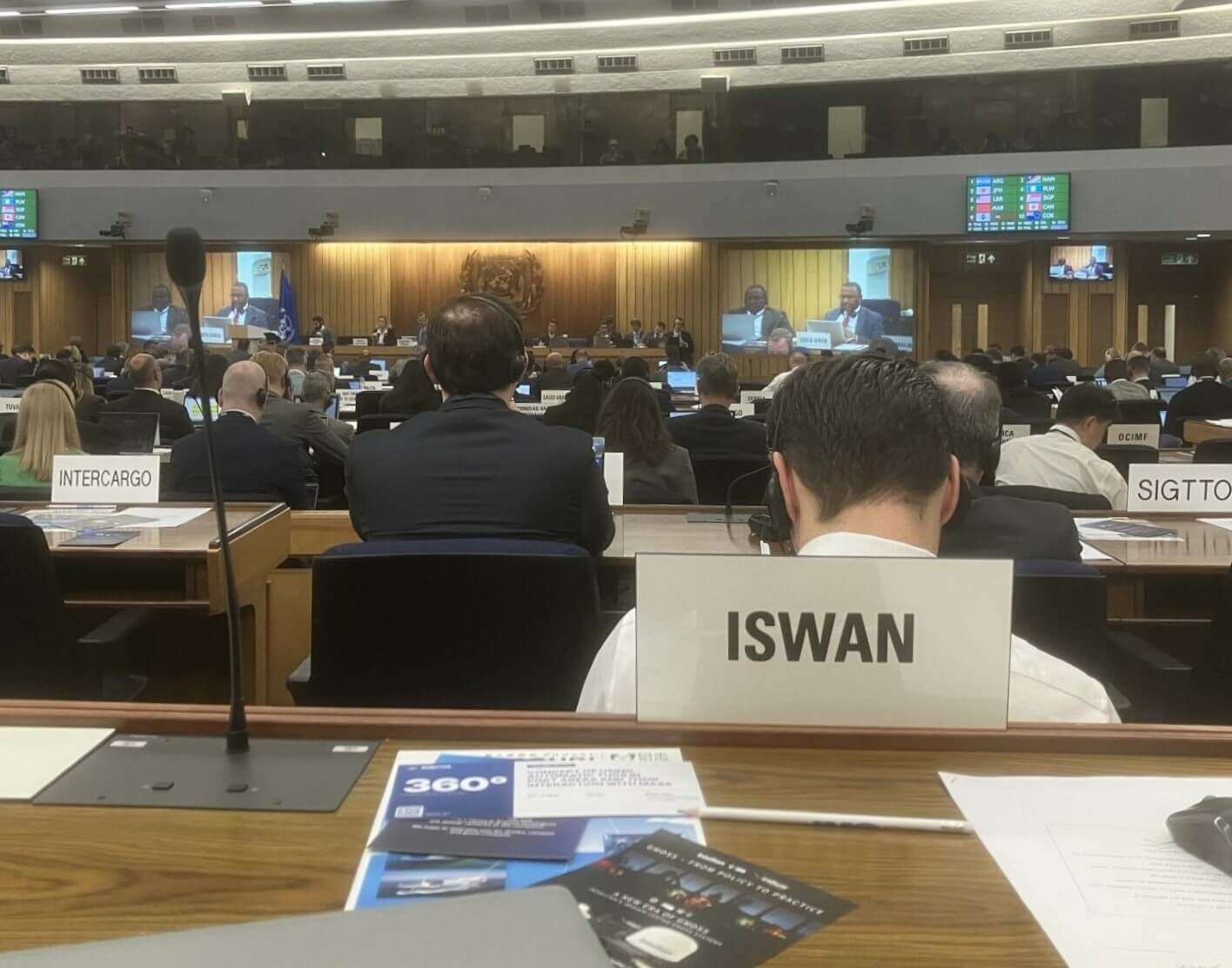
ISWAN has continued to strengthen our engagement at the International Maritime Organization (IMO) over the last quarter.

27 May 2026
4 min read
ISWAN’s ambassador network continues to grow across regions, strengthening awareness and support for seafarers and their families worldwide.