At the IMO this quarter: The decisions shaping the future of life at sea
22 July 2026
6 min read
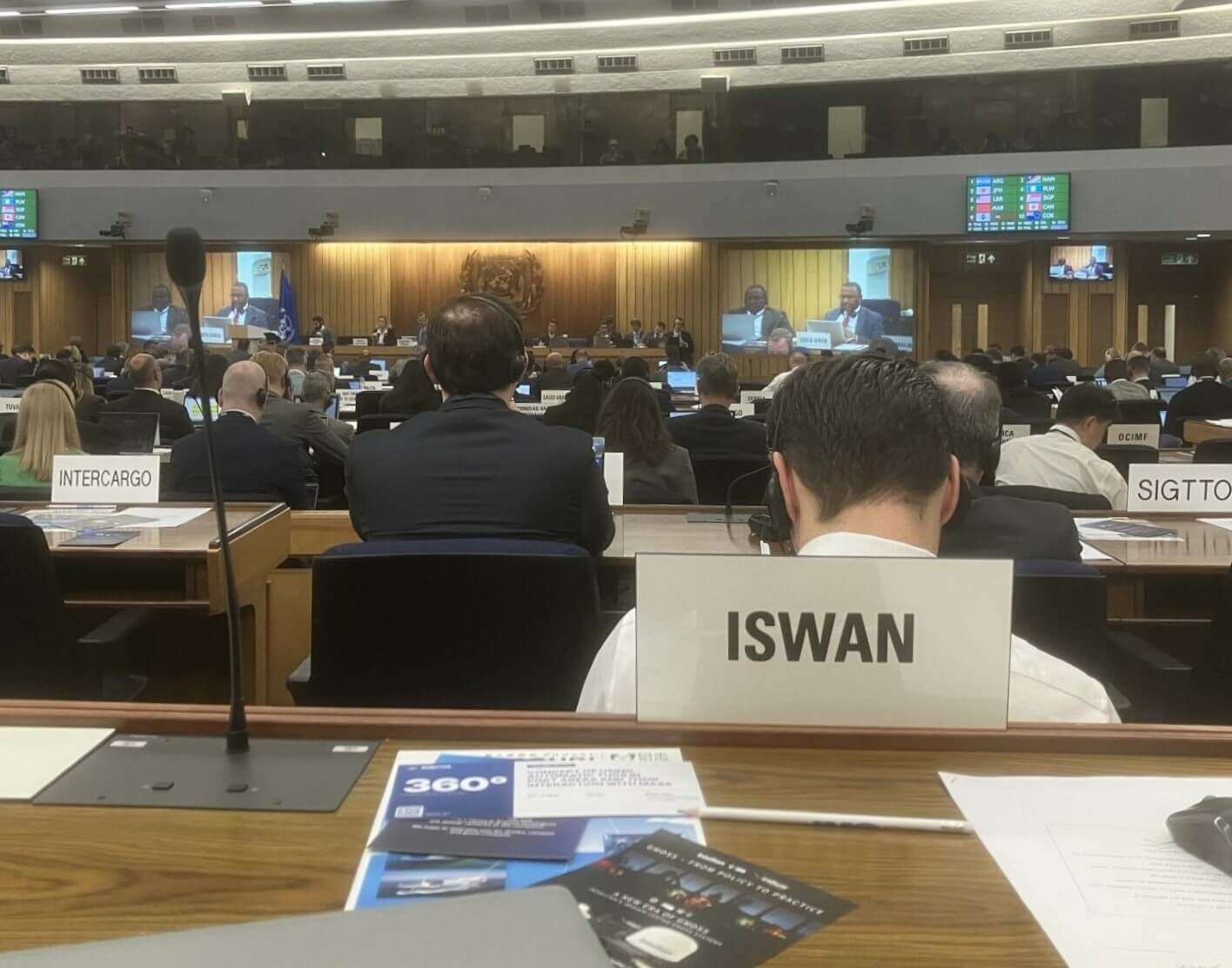
ISWAN has continued to strengthen our engagement at the International Maritime Organization (IMO) over the last quarter.

Ahead of the publication of ISWAN’s 2025 data from our helpline YachtCrewHelp, we asked experts across the yachting industry to share their thoughts on the trends seen in the previous year.
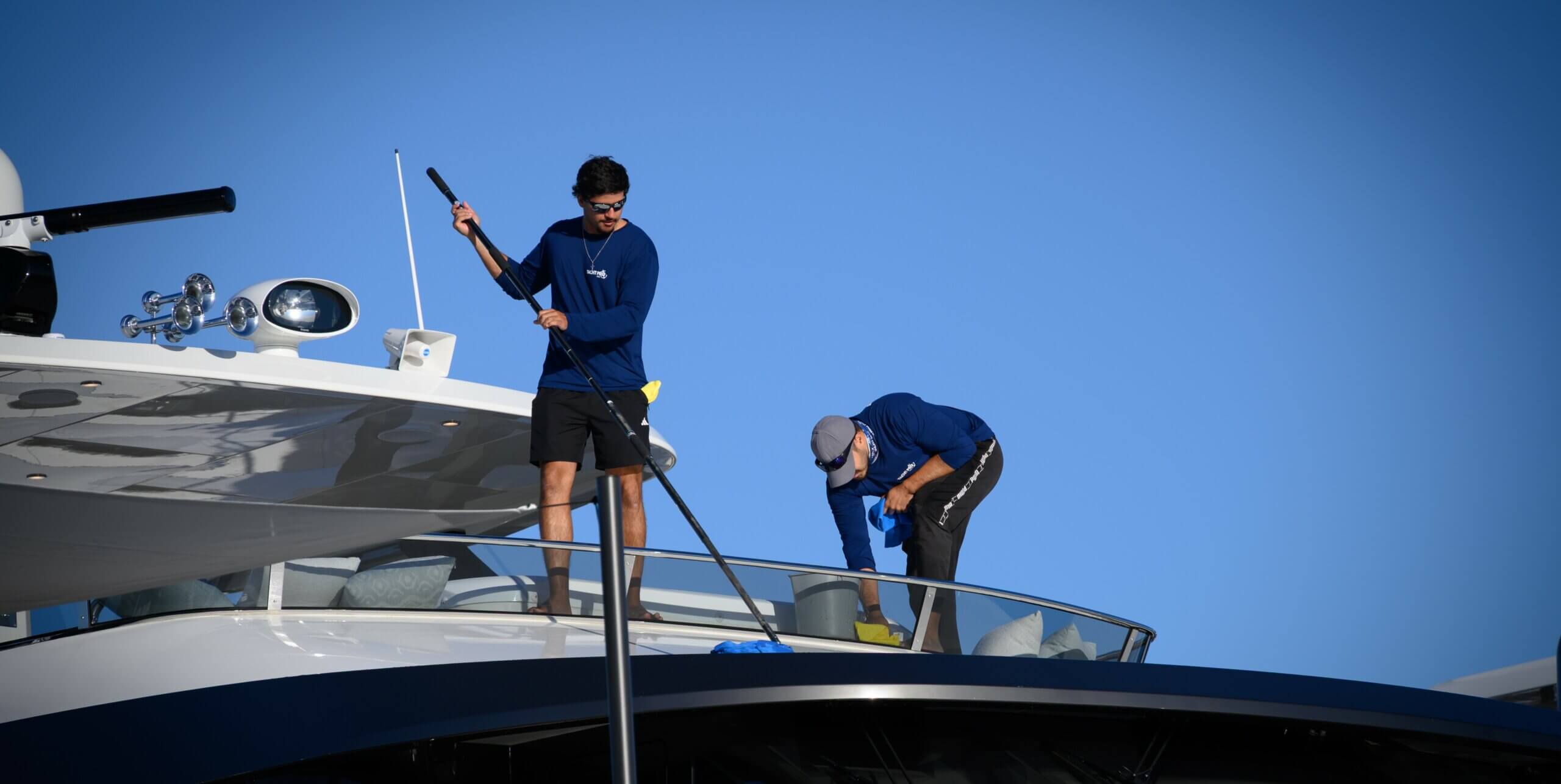
We published our Welfare of Yacht Crew 2024 Annual Review last year, sharing how ISWAN had been supporting crew in the yachting industry through both our helpline YachtCrewHelp and our projects and initiatives.
The report highlighted some of the top concerns raised by yacht crew throughout 2024 and trends we had seen in our helpline data. To better understand these findings and put them into a wider cultural context, we asked a range of experts from across the yachting industry to share their thoughts. They reinforce that the challenges facing yacht crew are not isolated – they are systemic, persistent and deeply interconnected.
Contracts can be one of the most challenging parts of working at sea, with many crew still finding this part of their work confusing and difficult to navigate. It’s understandable – contracts (if indeed there is one in place at all) are often presented quickly, with little space to ask questions, and the pressure to secure or keep a job can make it hard to speak up. Employment terms and contractual issues made up almost a third of all concerns raised to YachtCrewHelp (see p.30 of the Welfare of Yacht Crew 2024 Annual Review), and the experts we spoke to emphasised that misunderstandings around Seafarer Employment Agreements (SEAs) are common at every level – not because crew aren’t capable, but because the information isn’t always accessible, clear or explained.
‘The inherently multi-jurisdictional nature of the yachting industry – particularly for those on private or pleasure yachts – frequently leaves employees with significant knowledge gaps concerning the contractual and statutory rights available to them.’
Yacht Team, Nautilus International‘As crew, especially younger less experienced crew, when we join a vessel we can often feel totally out of our depth when we are given our contract to read. It is usually presented as a fait accompli and often with little to no explanation … Also, fear of being seen as a ‘troublemaker’ or needing a reference to get our next job as crew often means we keep our heads down and try to extract ourselves from our situations. The power imbalance between crew and employer is very evident in the realm of contract signing and disputes.’
Emma Ross and Rachel Boughton, SEAS THE MIND‘Crew sign whatever is in front of them – with no room for negotiation. Many, even senior crew, do not understand what they have signed. They also misunderstand the role of the MLC and what are regulations and what are recommendations.’
Capt. Brendan O’Shannassy‘Too many yachts are operating under poorly structured, opaque, sometimes exploitative contracts.’
Estelle Viriot, Seanergy Yachting
Mental health and wellbeing was one of the other most common issues crew sought support for from YachtCrewHelp, representing 22.9% of helpline contacts (see p.24 of the Welfare of Yacht Crew 2024 Annual Review). Many of the industry contacts we spoke to emphasised that mental health challenges do not exist separately from structural realities. Job insecurity, fear of dismissal, inconsistent scheduling, and the unique pressures of living onboard all contribute to elevated levels of stress, anxiety and burnout.
‘Crew so often are led to believe they could be dismissed at any moment for any cause (which they can) and this builds an anxious culture.’
Capt. Brendan O’Shannassy‘I wasn’t surprised by the challenges around stress and fatigue management, as our survey showed similar issues, including inconsistent work-rest compliance and limited active support. Many respondents to our survey also indicated a lack of confidence in talking about mental health challenges, therefore it is really encouraging to see that many crew who don’t feel comfortable discussing mental health onboard are finding support through YachtCrewHelp.’
Stephanie McLay, Senior Human Factors Consultant, Lloyd’s Register‘When your job security or protections feel uncertain, everything else becomes harder to cope with.’
Liz Schmidt, Executive Director, Women Offshore‘Contractual insecurity often sits at the root of mental health strain, meaning the two issues are deeply interconnected rather than separate … Given how professionalised the industry presents itself to be, it is striking that fundamental issues around wages, job security, and fair dismissal remain so prevalent. This highlights a persistent gap between industry standards on paper and the lived reality onboard.’
Estelle Viriot, Seanergy Yachting‘Burnout, anxiety and stress often come first. The paperwork issue is just what finally pushes someone to reach out.’
Capt. Kelly Gordon, Yachtie Minds Matter‘Rather than focusing on career progression and ‘moving up’ – which signals longevity at sea – crew appear to be shifting their energy toward simply staying safe and surviving their current environment.’
Yacht Team, Nautilus International‘It is too easy to dismiss people [in the yachting industry].’
Karen Passman, Impact Crew
The statistic which drew the strongest response from those we spoke to was that 80% of contacts (calls and messages) in 2024 which related to abuse, bullying, harassment, discrimination and violence (ABHDV) came from women, where gender was known (see p.19-20 of the Welfare of Yacht Crew 2024 Annual Review). Many industry experts agreed that women navigate unique challenges and vulnerabilities in yachting, and that both cultural and structural change are needed to improve women’s safety on board.
‘The statistic is terrifyingly correct and if anything, slightly under-reported.’
Capt. Brendan O’Shannassy‘While it reflects what many of us see informally, it’s still troubling to see it so clearly represented in the data. It highlights how uneven the experience can be [for women onboard].’
Capt. Kelly Gordon, Yachtie Minds Matter‘There is still a huge amount of work to be done in challenging toxic masculinity and sexism in the industry, although it has improved in recent years on larger vessels where professionalism in general has improved. Women remain vulnerable on smaller or privately-run vessels where accountability is still low or non-existent for men in senior positions.’
Emma Ross and Rachel Boughton, SEAS THE MIND‘I wonder if this is because there are more of these cases for women, or if men are more reluctant to call it out. In any case, it really leans towards a need for increased safety measures to keep our female crew safe onboard.’
Emma Deal, Director of Account Management, Luxury Yachts, MedAire‘Having personally experienced sexual harassment during my career, and a serious incident involving an owner, this issue is deeply personal to me and is a key driver behind my work to help create safer, more professional environments by bringing responsible vessels and professional crew together under higher standards.’
Estelle Viriot, Seanergy Yachting‘Employers must move beyond mere policy-writing and focus on active implementation. It is no longer enough to have a code of conduct sitting in a crew handbook; there must be robust, transparent reporting lines and a genuine ‘zero-tolerance’ culture that is enforced from the Owner and Captain down.’
Yacht Team, Nautilus International

Crew often lack faith in internal reporting systems, highlighting inconsistent HR practices, unclear processes and a culture of silence. Many of the experts we spoke to believe that leadership development and independent oversight are still inadequate across the yachting industry.
‘The most striking finding [in the report] is the high level of anonymity requested by yacht crew; over 50% of users withheld their nationality, compared to only 37% in the merchant shipping sector. This disparity underscores a pervasive culture of fear regarding reputational damage and potentially the perceived restrictive nature of non-disclosure agreements (NDAs) within the superyacht industry … We must encourage crew to engage with support networks, such as YachtCrewHelp and unions like Nautilus International and reassure them that seeking confidential advice is not a breach of their NDA.’
Yacht Team, Nautilus International‘Yachting still lacks consistent HR systems, clear reporting pathways, and the kind of employee support programs that are more common elsewhere in maritime … Many yachts still operate with a “just deal with it” mindset, which leaves little room for honest conversations about wellbeing or safety with leadership.’
Liz Schmidt, Executive Director, Women Offshore‘The biggest gap is still in crew having a safe place to go with their concerns or their problems on their specific vessels – especially if they are suffering ABHDV from senior crew, captains or owners themselves. Crew will remain fearful of their ability to be re-employed and there is still significant cronyism higher up in the industry. Captains and DPAs, senior officers and yacht managers who are friends or associates with one another can mean that junior crew are fearful of reporting, and can feel that reporting is pointless in view of how unlikely it is that their perpetrator will face consequences or be held accountable.’
Emma Ross and Rachel Boughton, SEAS THE MIND‘Captains are expected to run yachts like companies and yet the formal training is focused solely on the operational element of their role. I would love to see a push to regulate training of soft-skills, alongside the operational training.’
Emma Deal, Director of Account Management, Luxury Yachts, MedAire‘Support systems may exist, but if crew don’t feel confident they can use them without consequences, those systems won’t be used early enough.’
Capt. Kelly Gordon, Yachtie Minds Matter
New crew entering the industry face a steep learning curve with little verified guidance. Having read the findings in our annual review (see p.28 of the Welfare of Yacht Crew 2024 Annual Review), the industry experts stressed the importance of contract literacy, safe recruitment awareness, and early knowledge of where to seek confidential help for yacht crew.
‘We obviously still have a high proportion of green crew being utterly unaware of the parameters of a work environment and understanding contracts and procedures.’
Angela Wallace, Purser Trainer‘The rise in digital recruitment has changed the risk profile for new crew. We are often reminded about sophisticated scam emails and fake job offers that demand “registration fees or “visa processing payments” from candidates … Green crew are [also] navigating a digital world of social media groups, online discussions and AI research that can often be contradictory.’
Emma Laycock, Head of Crew & HR Recruitment, & Adam Cooper, Designated Person Ashore (DPA) / Company Security Officer (CSO), Phoenix Management‘Insurance and membership benefits are often well understood by senior crew, especially those who researched and had a role in choosing a supplier; however, the level of understanding among junior level crew is significantly less.’
Emma Deal, Director of Account Management, Luxury Yachts, MedAire‘We must continue to address the vulnerability of “green crew” who often enter the industry with limited knowledge of their employment rights, making them easy targets for unprofessional recruitment practices.’
Yacht Team, Nautilus International‘[Crew need to] arm themselves with every bit of knowledge and understanding they can find on the resources available to them to protect them, and to learn about well-managed, safe yachts versus unprofessional, dangerous ones.’
Emma Ross and Rachel Boughton, SEAS THE MIND

The industry experts we spoke to shared some final words of advice for yacht crew:
‘My primary advice to any crew member is to take the time to read your contract thoroughly. Do not be afraid to ask questions or seek clarifications before you sign your SEA. If you understand your SEA from the start, you already have the answers to most of the issues you might face later.’
Emma Laycock, Head of Crew & HR Recruitment, and Adam Cooper, Designated Person Ashore (DPA) / Company Security Officer (CSO), Phoenix Yacht Management‘Put the effort in to learn your rights and obligations. Do not enter into employment without knowing the terms. Whenever you proceed on leave make sure you know your accrued leave (deferred salary) and demand payslips and professional pay services from your employer.’
Capt. Brendan O’Shannassy‘Trust your instincts and seek support early, as soon as harassment or toxic behaviour is identified. There should be no room for acceptance of such conduct. No position, vessel, or contract is worth compromising your wellbeing, safety, or dignity. Speaking up sooner can help prevent situations from escalating and contributes to positive change for others.’
Estelle Viriot, Seanergy Yachting‘Pay attention to early warning signs and don’t dismiss them. Keep records, ask questions and reach out sooner rather than later. Seeking support early isn’t about making trouble, it’s about protecting yourself and giving yourself the best chance of staying healthy and employable long term.’
Capt. Kelly Gordon, Yachtie Minds Matter
If you have any questions or concerns after reading this article – whether you are looking for work on a yacht or currently on board – you can speak to a member of ISWAN’s YachtCrewHelp team at any time. Anything you share with us is confidential, and we would never pass on any personal information to others without your permission unless there is a serious risk of harm. Contact us here – we are available 24/7.
This article was made possible by funding from Superyacht Charities. You can read the full Welfare of Yacht Crew 2024 Annual Review here.
22 July 2026
6 min read
ISWAN has continued to strengthen our engagement at the International Maritime Organization (IMO) over the last quarter.
8 July 2026
5 min read
The new SeafarerHelp 2025 Annual Review offers a unique insight into the realities of life at sea through thousands of confidential helpline conversations.

27 May 2026
4 min read
ISWAN’s ambassador network continues to grow across regions, strengthening awareness and support for seafarers and their families worldwide.